
A look at the Market. Snapshots and insights.

What is happening to the real estate market in major U.S. Cities? Is it true that real estate is beginning to show signs of a downturn?
A cooling market, with big-city exceptions
Recession, rising interest rates, and general market saturation are producing the result many expected: a slowdown in the real estate industry. The markedly upward trend of the post-pandemic period could not last forever. According to basic market rules, it is natural to see a period of adjustment. The inventory of properties then begins to grow again and absorb demand, which is no longer as exorbitant as in 2021. Sales times are stretching and prices are showing signs of settling. In general, the “gold rush” feeling that characterized the post-pandemic real estate scenario is missing. However, major U.S. metropolises are holding up well and are still an exception. To date, they show no signs of imminent decline, let alone collapse.
The Miami market in numbers
Taking the Miami market as an example, official data tells us that in May 2022 the total number of real estate sales was 3203, compared to 3546 in the same month of 2021. That is a reduction of 9.7%. However, the average sales price was not affected by this “slowdown”. On the contrary, it continued its upward trend. Compared to 2021, May showed a 15% increase in average prices for single-family houses and a 27.7% increase for condominium apartments. Another important figure is cash sales. The data show that cash sales in Miami were 77.6% higher than the national figure in May 2022.
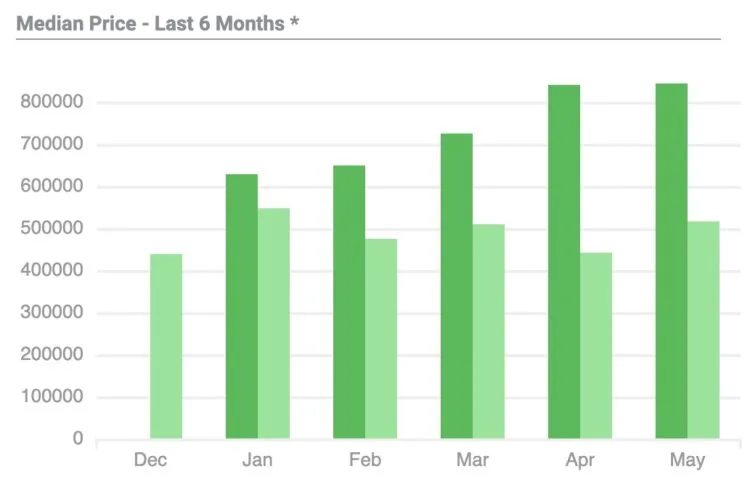
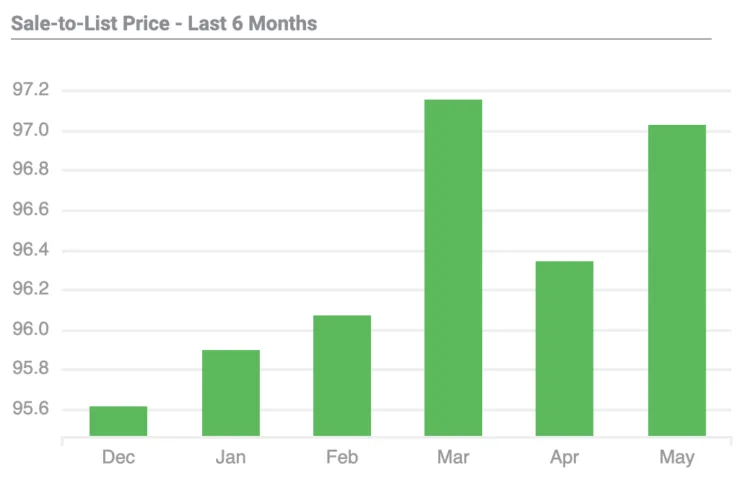
Furthermore, the market numbers and average rents point the same way. The price-to-rent ratio suggests that it is still more rational to buy a property than to rent it. Therefore, the data tell us that we are still in a seller’s market.
Why the market stays solid
The impact of the real estate industry on the economy of large urban areas continues to be very high. The National Association of Realtors estimates that every single real estate transaction in the United States produces an average wealth shift of about $112,000.00. This includes commissions, costs, professional fees, moving expenses, renovations, and more. In the Miami area, real estate transactions in May 2022 had an impact of about $360 million on the overall economy. This suggests anything but a crisis in the industry (data source: Miami Realtors).
In addition to these numbers, we should consider the human flows that have moved from or to the major metropolises in the past year. They have not had mere investment intentions at their base. More importantly, they are mostly American nationals. At other times, large flows of foreign investors have influenced the American economy. That was capital from abroad, which could leave as easily as it arrived. Today’s flows, on the other hand, are mostly American companies and families. They relocate, start new businesses, enroll their children in school, and start a new life in a new city. This type of buyer is much more stable than pure investors. As a result, the market is more solid and strong swings are less likely.
More to read

Buying in Manhattan and Beyond: Condo or Co-op? A Guide for New York Buyers
Read article
New York vs Miami Real Estate: What Buyers Should Know in 2026
Read article